秋分到,蛋兒俏
According to the traditional Chinese calendar, the Autumn Equinox 秋分 Qiū fēn of 2026 starts on 23 August 2026. It will end on the 8th of October and be replaced by Cold Dew 寒露 Hán lù.
Having spent the summer months in the Beijing-based artist Lao Shu’s company, we introduced the change of season with Lao Shu’s Autumnal Wistfulness, published on 1 September 2026. For the rest of this miniseries, see:
- Lao Shu Goes on a Work Trip, 26 June 2026
- Lao Shu on the Consolation of Cats, 28 June 2026
- Lao Shu in Lotus Land, 30 June 2026
- Lao Shu’s Summer, 2026, 12 July 2026
- Lao Shu’s Floating Life, 23 July 2026
- Lao Shu — ‘What, Me Worry?’, 7 August 2026
- Lao Shu is Knackered, 16 August 2026
- Lao Shu Lets the Weeks Go By, 22 August 2026
- Lao Shu’s Indian Summer, 29 August 2026
- Lao Shu at Summer’s End, 31 August 2026
- Lao Shu’s Cornucopia, 3 September 2026
***
秋分到,蛋兒俏, ‘the Autumnal Equinox has arrived, stand an egg on its end’ is the rubric of this chapter in The Other China. Lao Shu refers to the ancient folk tradition of egg balancing, an amusement related to the equinoxes in autumn and spring.
For more essays on the history and culture of Chinese seasons, see New Sinology Jottings 後漢學劄記.
— Geremie R. Barmé
Editor, China Heritage
23 September 2026
Autumn Equinox in the North
Spring Equinox in the South
Autumn Equinox
Paintings, poems and essays by Lao Shu
Edited and translated by Geremie R. Barmé
***
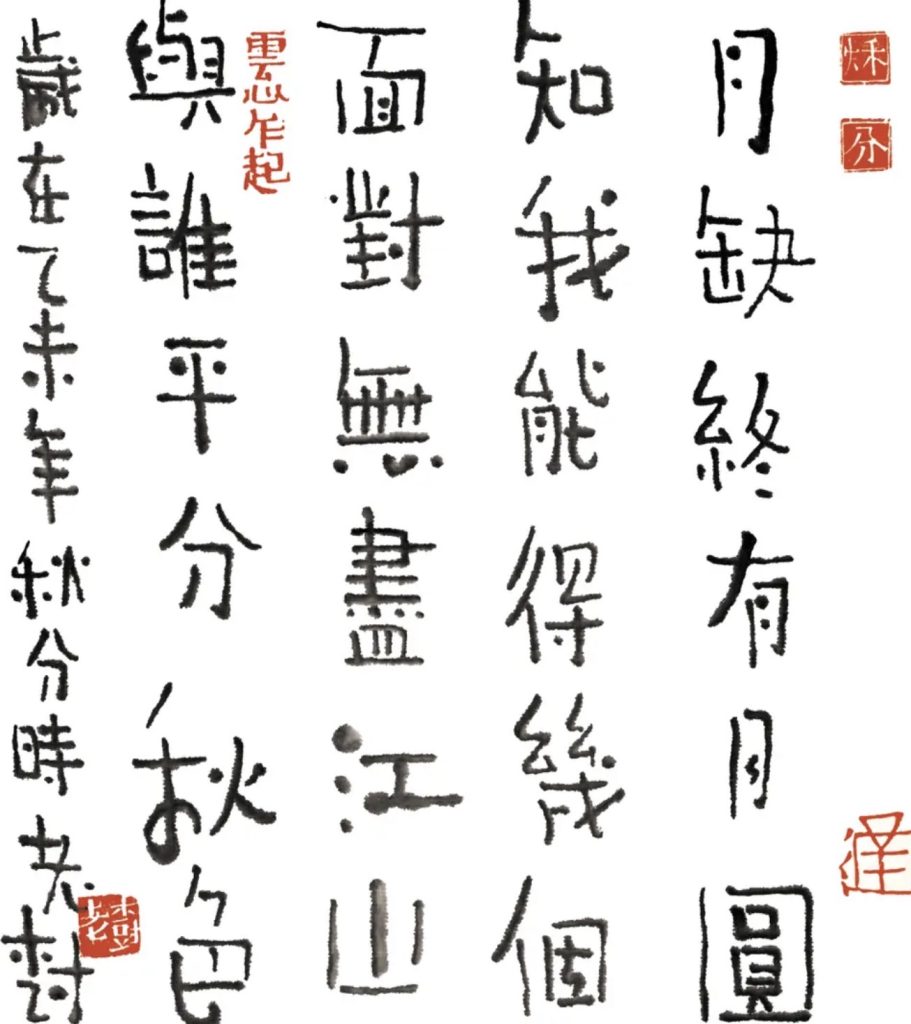
All moons will round out their promise.
Yet, how many moons can we each claim?
As you face the vistas of boundless nature,
who will share the splendour of this autumn?
— Lao Shu, Autumn Equinox, Yiwei Year of the Ram [2015]
***
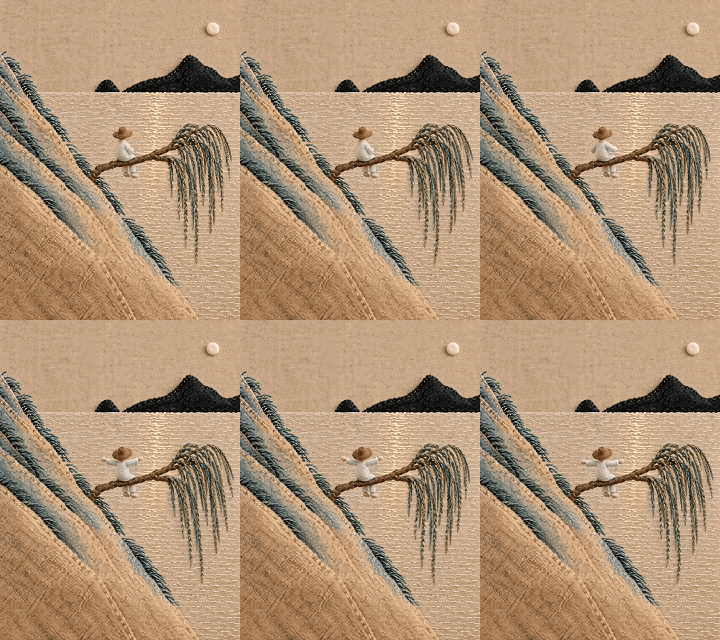
Autumn Equinox: the mid point between the lavish exuberance of summer and myriad nature’s unflustered decline.
The sweltering heat of high summer is long gone, yet the pellucid chill of autumn’s depths is yet to arrive. The Autumn Equinox is a temperate moment, when bright day and darkling night are in equipoise. Of all the moods of the year, this season is one of unhurried ease.
萬物在此時走到盛與衰的中間點,便是秋分了。
沒有盛夏的蒸騰熱烈,也沒有深秋的蕭瑟清冷,溫度相宜,明暗均勻,是一年里最舒展平衡的時節。
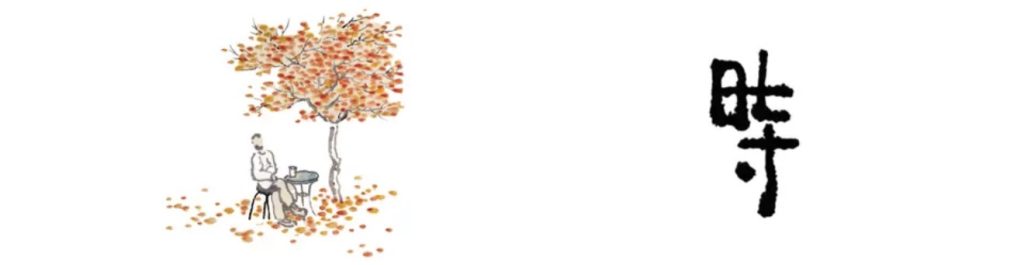
Cycling through the Ages
時序千年
In ancient times, Autumnal Equinox was the Festival for Celebrating the Full Moon 祭月節, later Mid Autumn 中秋 became an occasion for appreciating the harvest moon. All the romantic ideas about unity, completion and fulfilment at Mid Autumn were originally associated with the equinox.
早在周朝,便有秋分祭月的禮制。古人認為秋分日是月亮最中正的時刻,晝夜均分,陰陽平衡,適合祭祀月神。最初的 “祭月節” 便定在秋分這一天,後來因曆法變動,祭月的習俗漸漸和中秋融合,最終形成了中秋賞月的傳統。溯源而上,中國人對月亮的浪漫想象,對團圓平順的期許,最早便扎根在秋分的祭月傳統里。
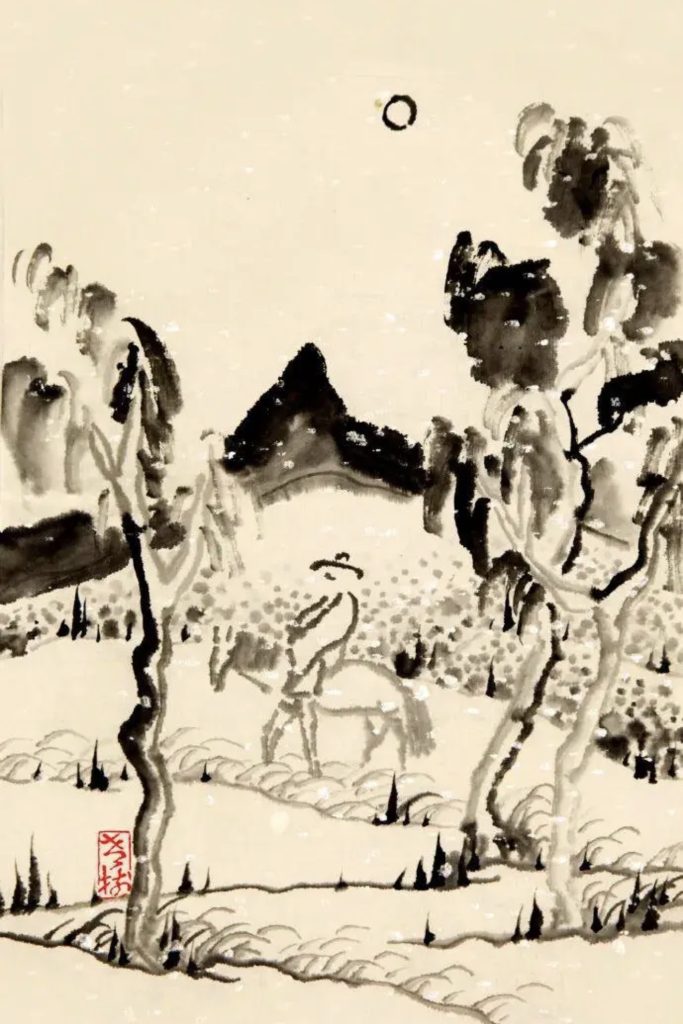
策馬入空山,一月天上圓。
意足在當下,何須求周全。
Riding into the empty mountains
the full moon above as company.
There’s satisfaction enough right here,
why seek complete fulfilment elsewhere?
The ancients divided the Autumn Equinox into three phases:
- Thunder falls silent 雷始收聲;
- Insects seal their burrows 蟄蟲坯戶; and
- Water begins to dry up 水始涸.
Everything in nature gradually retreats into itself. It’s not flustered, the process is unhurried, and in accord with nature’s rhythm things inexorably turn inwards.
古人將秋分分為三候:
“一候雷始收聲,二候蟄蟲坯戶,三候水始涸。”
雷聲漸漸收了盛夏的聲勢,不再轟鳴作響。藏在土里的小蟲開始封堵巢穴,預備過冬的暖意。河水溪流褪去汛期的豐沛,水面慢慢回落,露出岸邊溫潤的石塊。天地間的萬物都在慢慢收束,步調從容,不慌不忙,順著時序往深處走。
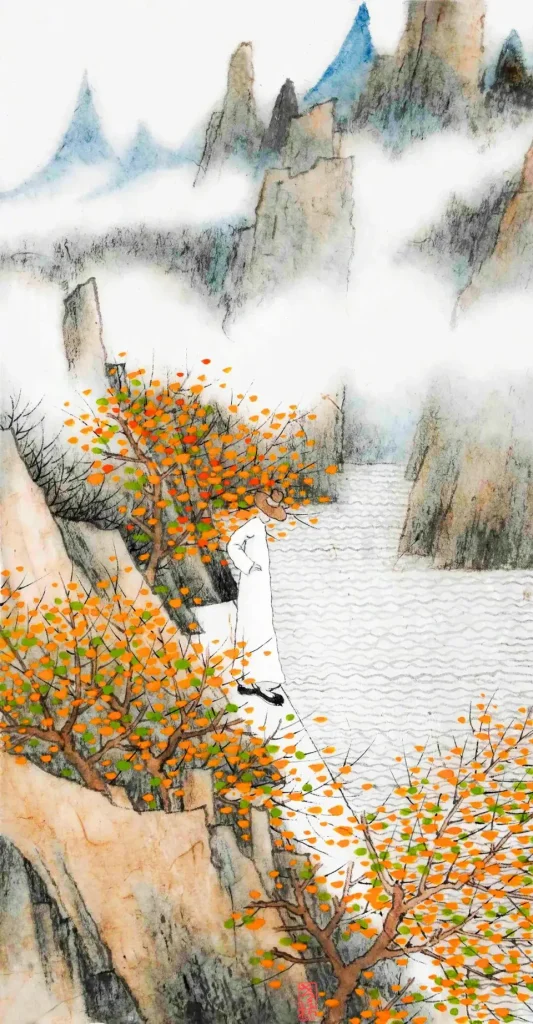
風微無心事,雲深隱山家。
黃葉臨秋水,照如夢中花。
Carefree, standing in the mild breeze.
enjoying reclusion, amidst the clouds.
The fall leaves reflected in autumn water
are like floating flowers in a dreamscape.
***
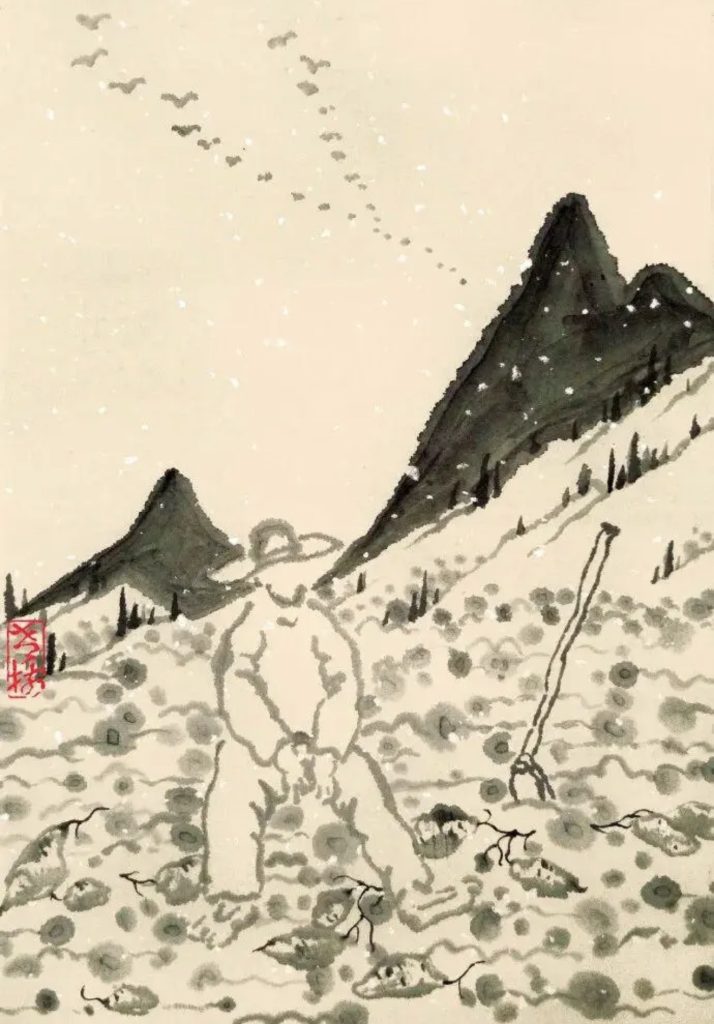
每到秋深時節,忙得沒空吃飯。
山前刨著紅薯,天上一行大雁。
It’s busiest during the mid-autumn harvest,
with hardly a moment spare to eat a meal.
Digging up sweet potatoes in mountain fields
while migrating geese fly overhead in formation.
***
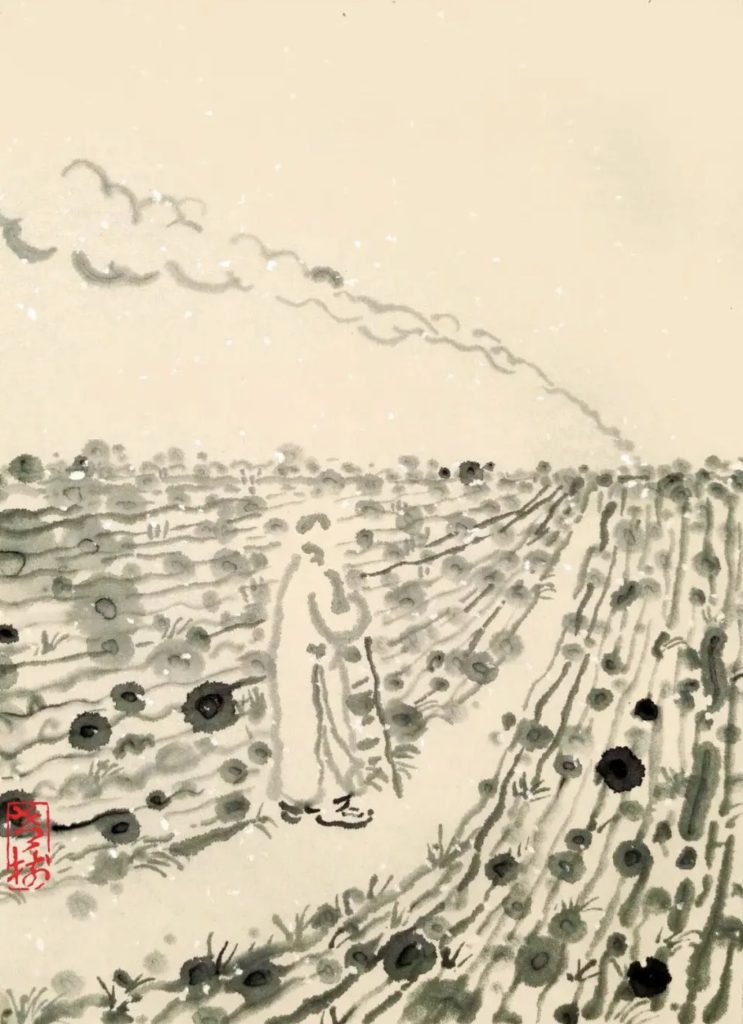
秋深繁華落去,大地復歸平寂。
遙看遠處野燒,想想人生意義。
As autumn deepens blossoms fall and
the vast earth returns again to quietude.
Looking out at the autumn burn-off, it’s
hard not to reflect on the meaning of life.
***
***
Sights of the Season
clear skies that go on forever,
yellow waves of ripened grain.
風物:長空淨,稻浪黃
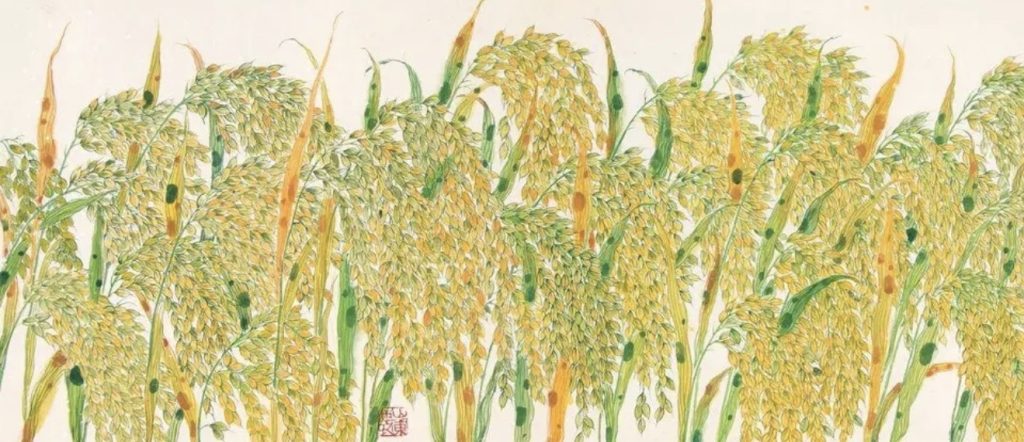
秋風過大江,滿目稻田黃。
小村炊煙起,老婦蒸新糧。
風過桂樹,吹落一地碎金,空氣里浸著甜香,不濃不烈,沁人心脾。
The autumn winds cross the Great River
and yellow fields of grain greet the eye.
Smoke now rises from village stoves
as mothers steam the season’s rice.
Cassia petals are scattered on the ground like pieces of gold and the air is suffused with a delicate sweetness.
***
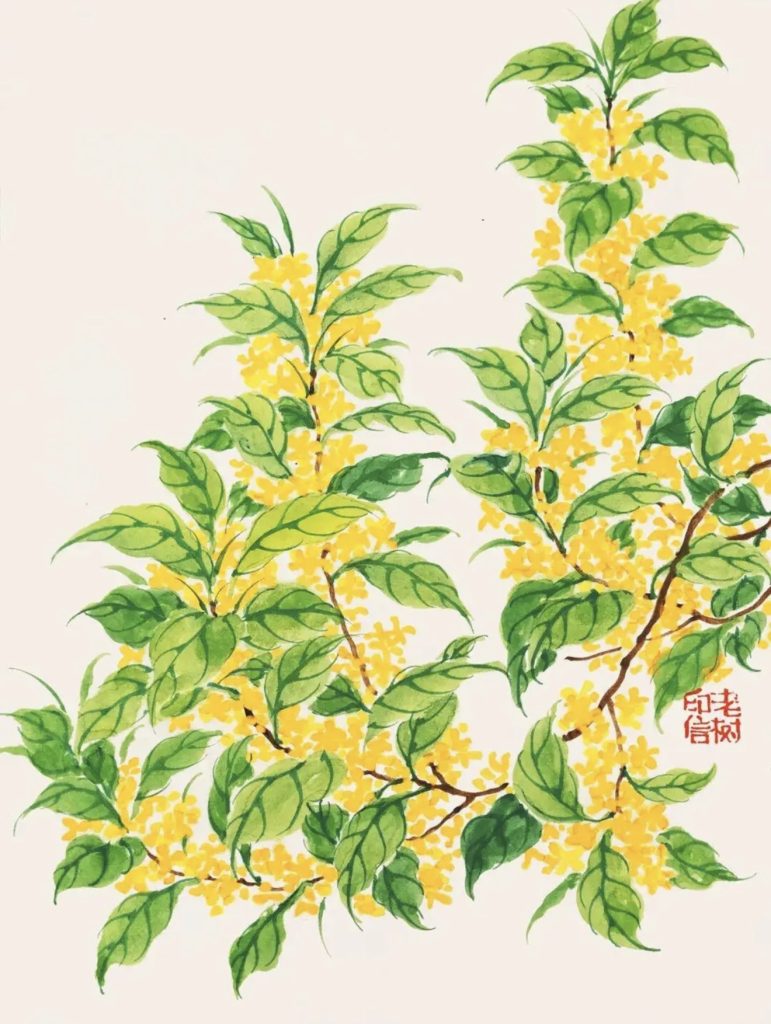
山村無雜事,桂花十里香。
微風臨清夜,明月照大江。
Mountain villages are not as busy now
and the fragrance of cassia travels far.
A soft breeze ushers in crisp evening air
as the bright moon shimmers in the river.
***
The Diurnal Rhythm
There’s now a steady pattern to the days
— time to enjoy the season’s delights
起居:節律穩,興致長
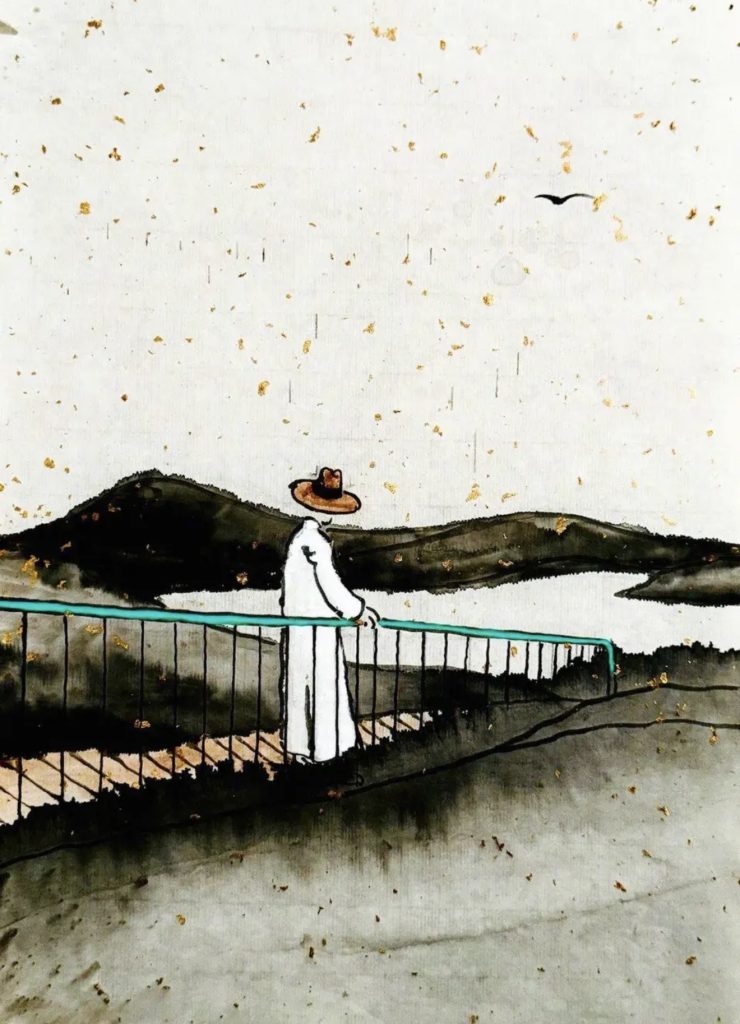
澹澹此秋水,翩翩一飛鴻。
一歲一枯榮,古今無不同。
The surface of the water ripples softly,
the wings of a swan are beating in flight.
The annual cycle of death and renewal:
as it was in ancient times so it is now, too.
民間還有 “秋分到,蛋兒俏” 的說法,每年秋分日,大人小孩都試著把雞蛋竪起來。相傳晝夜均分之時,天地引力平衡,雞蛋更容易立住。與其說這是時令的巧合,不如說藏著人們對平衡感的樸素嚮往。日子過得平穩順當,就像立住的雞蛋一樣,穩穩當當,便是平凡日子里最好的期許。
***
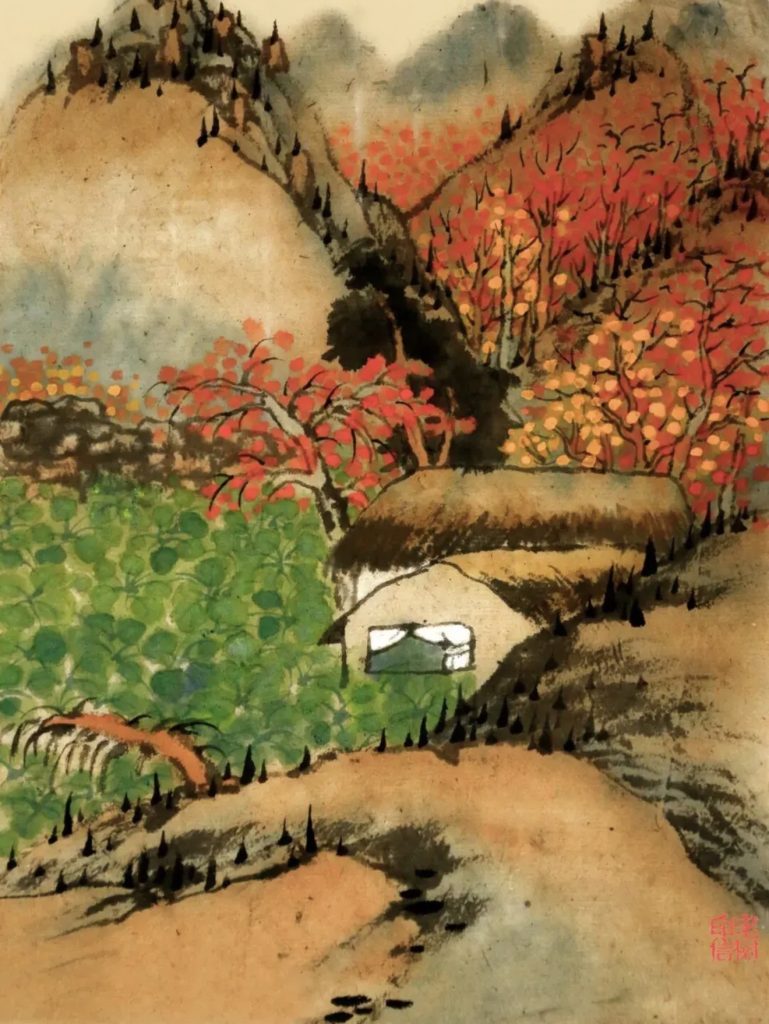
晚暮霜重風愈涼,
山前樹葉紅兼黃,
秋菜綠映小軒窗。
少時偶爾做美夢,
老來時常曬夕陽,
尋常日子總尋常。
Late evenings, chill wind, the promise of frost,
trees turning — yellow and red speckle the hills,
the green of autumn vegetables brighten the window.
In childhood this could be a time of happy dreams,
with age you end up sunning yourself instead.
Normal days pass by in the most normal of ways.
我們今天談論秋分,早已脫離了指導農耕與祭祀的功用,更多是在失衡的現代生活里,找回一份平穩舒展的狀態。
當下的生活總在催促人奔赴極致。我們常常在過度消耗里失衡,在奔波里忘了張弛的邊界。秋分就像一個溫柔的提醒,有收有放才是生活的本真。平衡不是中庸妥協,是一種清醒的自持。工作時全力以赴,休息時全然放鬆;得到時珍惜,失去時釋懷;不偏執於一端,不傾軋於一方。所有的狀態都各安其位,日子才會走得穩當長久。
它也讓我們重新理解豐收的意義。豐收從來不是一蹴而就的爆發,是順應時節耕耘之後的平穩落地。就像稻穗飽足便會低頭,真正的豐盈,從來都帶著平穩克制的姿態。不炫耀,不張揚,沈下心積蓄力量,才能接住每一份屬於自己的收穫。
秋光正好,晝夜均分。願我們都能在秋分的時節里,找到屬於自己的平衡節奏。
不慌不忙,不偏不倚,
一半耕耘,一半收穫,
一半煙火,一半清歡。
The light in autumn is marvellous and the days and nights are of equal length. May we all enjoy an equilibrium that suits each of us best during this autumnal equinox.
***
Source:
- 老樹,廿四節氣:秋分,《老樹日曆》,2026年9月23日,edited and translated by Geremie R. Barmé
***