
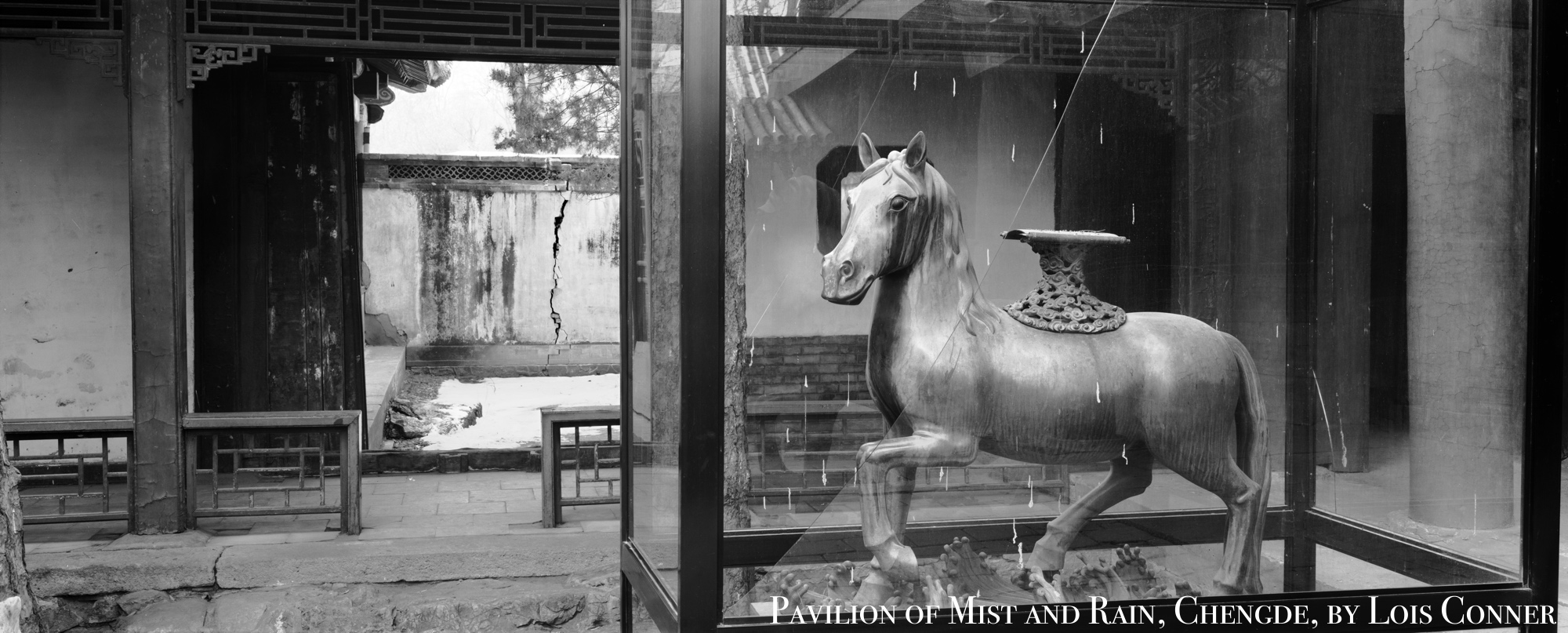
This is the eighty-third chapter in Other People’s Thoughts, a China Heritage series inspired by a compilation of quotations put together by Simon Leys (Pierre Ryckmans), one of our Ancestors, during his reading life.
Pierre remarked that the resulting modest volume of quotations was ‘idiosyncratically compiled for the amusement of idle readers’ (see Simon Leys, Other People’s Thoughts, 2007). Our aim is similar: to amuse our readers (idle or otherwise); as is our modus operandi: to build up an idiosyncratic compilation, one that reflects the interests of The Wairarapa Academy for New Sinology and its coterie.
In collecting this material, and by adding to it over time, we accord also with a Chinese literary practice in which quotations — sometimes called yǔlù 語錄, literally ‘recorded sayings’ — have a particular history, and a powerful resonance.
The most famous collection of recorded sayings is The Analects 論語, compiled by disciples of Confucius. Then there is the timeless 5000-words of Laozi’s The Tao and the Power 道德經, as well as the Chan/Zen 禪宗 tradition of what in English are known by the Japanese term kōan 公案, dating from the Tang dynasty. Modern imitations range from the political bon mots of Mao Zedong to excerpts from the prolix prose of Xi Jinping’s tireless speech writers, and published snippets from arm-chair philosophers and motivational speakers.
Other People’s Thoughts also finds inspiration in the ‘poetry talks’ 詩話, ‘casual jottings’ 筆記 and ‘marginalia’ 眉批 of China’s literary tradition.
***
As is now customary in Other People’s Thoughts, this chapter in the series also includes short videos and illustrative material. My thanks to Kirin Narayan, a dear friend, for alerting me to a passage in Greene on Capri by Shirley Hazzard. I’m also grateful to Richard Rigby, a stalwart friend and a voice of decency and sanity in my life for over half a century, for the quotation from Mencius.
— Geremie R. Barmé
Editor, China Heritage
28 July 2026
***
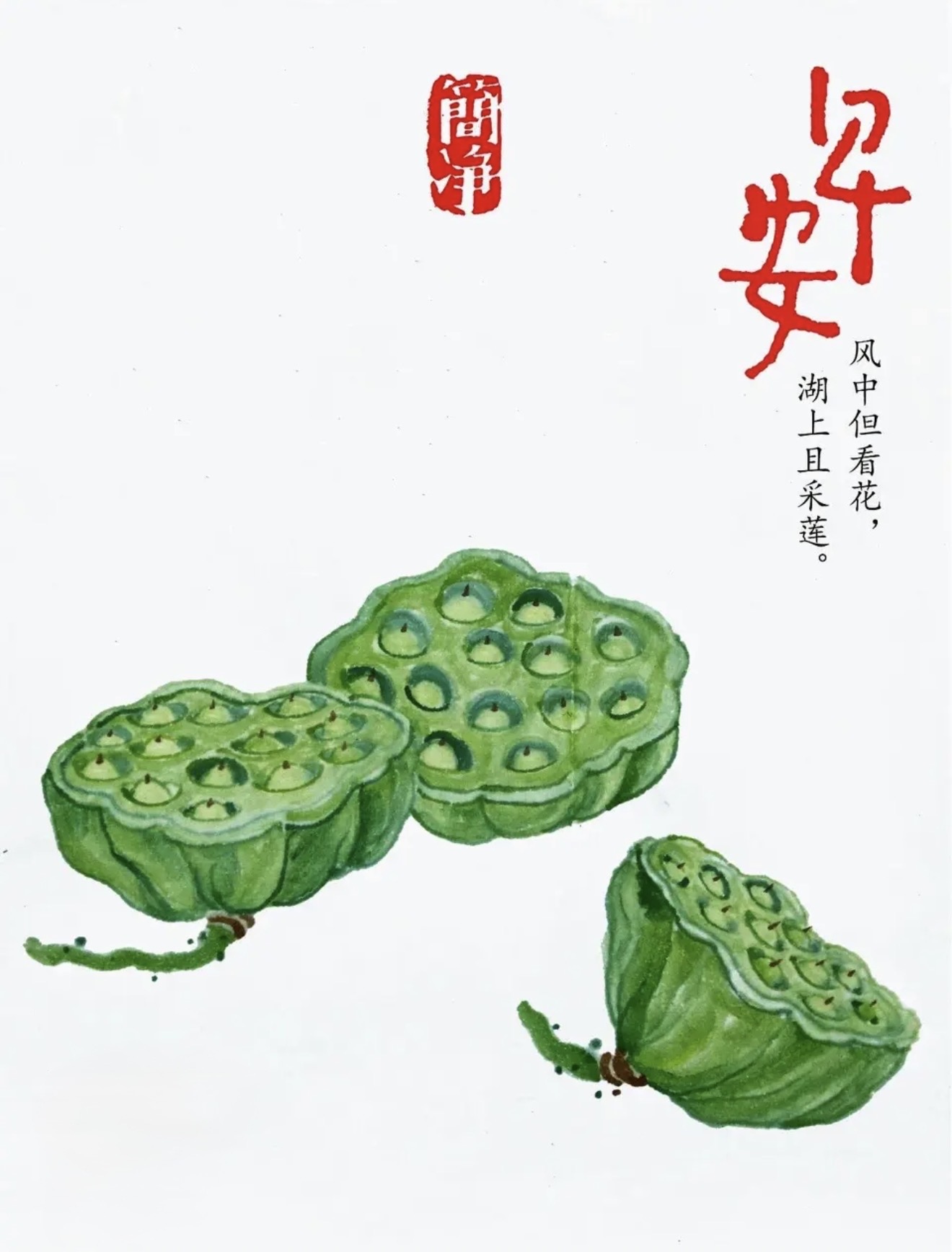
紅塵多少年,忙裡須偷閒。
風中但看花,湖上且採蓮。
Long years mired in our Dusty World, busy,
ever sneaking glances at peaceful prospects.
Seeing now wind-caressed flowers a-dancing,
I go out and gather in some lotus from the lake.
— Lao Shu 老樹, 19 July 2026
trans GR Barmé
Other People’s Thoughts, LXXXIII
Tips for Teens
Think before you speak. Read before you think. This will give you something to think about that you didn’t make up yourself — a wise move at any age, but most especially at 17, when you are in the greatest danger of coming to annoying conclusions.
Learn to hold grudges now. It will make revenge so much easier in the future.
You may, I suppose, some day look back on these years and laugh. But it is nothing, certainly, to count on.
— from Fran Lebowitz, ‘My Turn: Tips for Teens’, Newsweek, 1 January 1979
Caveat Lector
Reading has come to seem extraneous even to some of the best-educated members of society. Margaret Rennix, Harvard’s assistant director for humanities and social-sciences support, told me she’d spoken with a student who was struggling to read a book written in Old English. The culprit: Anthony Burgess’s 1962 novel A Clockwork Orange. (The student used ChatGPT to “translate” the book into easier language.)
— Rose Horowitch, The Atlantic
Cafe Culture
My life, which seems so simple and monotonous, is really a complicated affair of cafes where they like me and cafes where they don’t.
— Jean Rhys, Good Morning, Midnight
Oatly Enthusiast
‘other streams don’t always taste as good as the mainstream’
— Brooklyn Coffee Shop, Episode 92
Jazz
Louis Armstrong to someone who asked him what jazz was: “If you gotta ask, you ain’t never going to know.”
歷史一覽
自羲農,至黃帝,號三皇,居上世;
唐有虞,號二帝,相揖遜,稱盛治。
夏有禹,商有湯,周文武,稱三王;
夏傳子,家天下,四百載,遷夏社;
湯伐夏,國號商,六百載,至紂亡;
周武王,始誅紂,八百載,最長久。
周轍東,王綱墜,逞干戈,尚游說。
始春秋,終戰國,五霸強,七雄出;
嬴秦氏,始兼并,傳二世,楚漢爭。
高祖興,漢業建,至孝平,王莽篡。
光武興,為東漢,四百年,終於獻;
魏蜀吳,爭漢鼎,號三國,迄兩晉。
宋齊繼,梁陳承,為南朝,都金陵;
北元魏,分東西,宇文周,與高齊;
迨至隋,一土宇,不再傳,失統緒。
唐高祖,起義師,除隋亂,創國基。
二十傳,三百載,梁滅之,國乃改;
梁唐晉,及漢周,稱五代,皆有由。
炎宋興,受周禪,十八傳,南北混。
十七史,全在茲,載治亂,知興衰;
讀史者,考實錄,通古今,若親目。
— 三字經
鄧姓之二律背反
白天聽老鄧 [鄧小平],晚上聽小鄧 [鄧麗君]。
— an expression common in the 1980s
哪個年度的人活著最辛苦網上這個回答特別火,80後一手遮天,90後無法無天,00後被寵上天,只有可憐的50、60、70後活的是一天不如一天。
— 因特網所見
Like Mercy
He asked whether I could remember a poem at sight. I told him that I had rarely memorized a poem, even at school, and had no “system”; that I remembered particular lines at once, being moved by them, and then might read the poem over, bear it in mind, say it aloud when I was alone. Then I might remember it always. That had been the case since childhood. In adolescence and in my early twenties, when I had much solitude whether circumstantial or inward, I was able to recall poems from a reading or two if they were not very long. There was nothing diligent in it. Recollection was spontaneous, easier than breathing. One remembered all manner of lines that captured ear and imagination. Where there was greatness, the words seemed inevitable, as if memory had been awaiting them.
For Graham, something of the same: memory, rather than memorizing. He found that he added less and less with age, and rarely recalled lines of new poets, even if he liked their work: “I don’t think one is so accessible to poems that come after one’s own era.” Sensations aroused in poetry were in any case private, intuitive, unaccountable. In the past, poetry had been a presence that cut across the generations and the classes. One never knew where it would turn up. Like mercy.
— Shirley Hazzard, Greene in Capri (2000)
***
塞翁失馬
***
人生
日思柴米夜思錢,忙碌半生未得閒。
也想飲酒抱花醉,奈何月俸三五千。
空有凌雲千般志,負了落花負紅顏。
一心一意去掙錢,不知不覺已中年。
半生奔波少清閒,午夜孤枕難入眠。
青山不老我不閒,一生忙碌為油鹽。
風風雨雨幾十載,轉眼黃土埋胸前。
我笑青山顏不變,青山笑我已暮年。
如牛到老不得閒,得閒已與山共眠。
半生風雨半生寒,一杯濁酒敬流年。
回首過往半生路,七分酸楚三分甜。
歲月贈我兩鬢霜,紅塵賜我一身傷。
嘗遍人間千般苦,顏衰依舊笑夕陽。
— 網絡流傳打油詩
***
中華燈塔派
***
Here in Our Auschwitz
“What will the world know about us if the Nazis are victorious? Gigantic edifices will arise, highways, factories, towering monuments. Our hands will be placed beneath every brick, the railroad ties and concrete slabs will be carried on our backs. They will slaughter our families, the sick, the old. They will slaughter the children. And no one will know about us. The poets, lawyers, philosophers, priests will drown out our voices. They will create beauty, goodness, and truth.”
— quoted in Timothy Snyder, The World of Tadeusz Borowski’s Auschwitz, The New York Review of Books, 1 March 2025
Franzen’s Talking Turd
“Civilization? Overrated. I ask you what it’s ever done for me? Flushed me down the toilet! Treated me like shit!”
— Jonathan Franzen, The Corrections, 2001
Franzen’s Essays
Franzen’s essayistic oeuvre does add up to a cohesive whole. Broadly, Franzen is a conservationist, an anti-capitalist, an apocalyptic anti-modernist. He identifies acceleration as the essential quality of modernity, and he understands that the other side of change is death, the death of you and me, of everything you’ve ever loved, of poetry and humanity, of the Earth.
— In Defense of Jonathan Franzen
Abi Rus, Lindsey Graham
As Bette Davis said on hearing Joan Crawford died, and paraphrasing “One is only supposed to say good things about a person who’s died. Lindsey Graham is dead. Good!”
Some men improve the world by leaving it.
— Oscar Wilde
“I have never killed a man, but I have read many obituaries with great pleasure.”
— Clarence Darrow
***
Michael Wolff on Lindsey Graham and the Art of Political Survival
***
It’s sad for Senator Lindsey Graham that the last person he spoke to on this earth was the president who stole his soul. Graham’s full-on embrace of Trump, the man he once called a “race-baiting, xenophobic religious bigot,” was shocking to all those who remembered Graham’s 20 year closeness with and reverence for the American war hero and fellow defense hawk Senator John McCain. McCain enjoyed his company so much he requested his desk be moved next to Graham’s on the Senate floor. When the Arizona senator died, Graham declared “If I had to pick one person in this great land to explain to someone from a different planet who are these Americans, it would be John McCain.”
— Tina Brown, Fresh Hell, 13 July 2026
Ladybug Graham
When I came out of the bathroom, he was on the bed, naked, on all fours. I noted that there were dark marks around his anus. I asked if he had showered (he said yes). I asked if it was OK if I wiped him down (he said sure). I wet a face towel and wiped and wiped between his buttocks, and nothing was coming off. Then I realized that his taint wasn’t dirty, it was just FULL OF MOLES. Dark moles, in dense clusters up and down the length of his taint. ‘Aw, hope you don’t mind. Those just my little ladybugs.’
— on Lindsey Graham, @paunchypeach
Liberal Conservatism
Liberal in its commitment to constitutional government, equal citizenship, pluralism, and the rule of law; conservative in its respect for inherited institutions, accumulated social knowledge, and the moral claims of people who must live through whatever transformation politics proposes.
SCOTUS
A defining feature of Roberts Court jurisprudence is its agenda-driven methodology. … Today’s court often rules not because the Constitution says so. But because partisan preferences and personal values say so.
— Hawaii Supreme Court Justice Todd Eddins
AI Slop 泔水
I’ve just spent the last 3 weeks in China.
Feel like I’ve been drowning in AI slop! AI-generated meeting notes, proposals, and white papers have flooded my WeChat. And based on what people told me, the Chinese AI models are still nowhere near Claude in terms of quality of output.
As one AI entrepreneur put it:
“After speaking to Claude, when you talk to a Chinese AI, it feels like you’re talking to a child”
“和Claude沟通了以后,和中国AI模型说话就像是跟小孩说话一样”
So it seems anyone who is anyone in AI in China, is using Claude, even thought technically it shouldn’t be possible. And Chinese “AI slop”, is, well, even sloppier than the English equivalent. Which got me thinking: How do you say “AI slop” in Chinese?
I’ve found three candidates. And as far as I can tell, there’s no settled answer yet.
Which one do you prefer?
Option 1: “AI rubbish” (AI垃圾 AI lā jī)
This is the most common rendering, and the title of the Chinese Wikipedia entry.
An alternative is “AI废文” — which can also be translated as “AI rubbish”.
The problem is, “rubbish” is what Chinese speakers call everything from spam to bad football teams. So I’m not happy with this translation.
Option 2: “AI swill” (AI泔水 AI gān shuǐ)
This is the most faithful translation. “Slop” originally meant pig swill, and 泔水 is exactly that.
Taiwan media use a variant: “leftover swill” (餿水 sōu shuǐ), which means spoiled food waste.
This seems like a good candidate, but a bit too niche for me.
Option 3: “AI water-talk” (AI水话 AI shuǐ huà)
I spotted this in a WeChat group chat I am in. It seems to be the internet slang option.
In Chinese, “water” (水 shuǐ) as an adjective which means “thin”, “diluted”, padded out, or even “fake”.
For example: A low-effort article is “very watery” (很水). Flooding an online forum with low quality content is “pouring water” (灌水 guàn shuǐ). And a bloated TV drama is “injected with water” (注水 zhù shuǐ).
So, in this version, “AI slop” is “AI水话”
And it’s this one which is my favourite!
What’s your favourite way to say “AI slop” in Chinese?
— Andrew Methven, RealTime Mandarin
A Reply
泔水至上!泔水萬歲!泔水無往而不勝!Andrew: try these slightly reworked passages from the opening of the “Autumn Waters” chapter of Zhuangzi 莊子·秋水:
泔水時至,百川灌河,涇流之大,兩涘渚崖之間,不辯牛馬。於是焉河伯欣然自喜,以天下之美為盡在己。順流而東行,至於北海,東面而視,不見泔水之端。
And then:
井蛙不可以語於泔水者,拘於虛也;夏蟲不可以語於冰者,篤於時也;曲士不可以語於道者,束於教也。今爾出於崖涘,觀於泔水,乃知爾醜,爾將可與語大理矣。天下之AI,莫大於泔水,萬川歸之,不知何時止而不盈;尾閭泄之,不知何時已而不虛;春秋不變,水旱不知。此其過江河之流,不可為量數。
Ancient Chinese wisdom always does the trick — 天下之AI,莫大於泔水,萬川歸之,不知何時止而不盈! Quote these passages and you’ll impress the blazes out of your Sloppies.
— Geremie
The World Cup
i have also noticed this, more generally i’ve been baffled by the whole general phenomenon of people approaching the world cup entirely through a moral and decolonial lens, in every match they want to know who is on the side of good, who represents the wretched of the earth, and who is the evil oppressor… truly insane way to think about sports! obviously you can’t get rid of politics entirely here, any contest between states will be political because states are political constructs, granted, sure, but sports are fundamentally unlike other kinds of political contest, no one is liberated if the match goes to the “good” colonised nations, and no one is enslaved if it goes to the former colonialists, it’s all entirely on the level of symbols, and when we’re solely in that realm it’s very apparent that every nation, however “progressive,” is founded on an immense act of violence against the subject. for instance since we’re already talking about them i love argentines but i do feel a cold touch of dread whenever i encounter one who’s frothingly angry about the falklands. oh, so you happened to personally come to the conclusion that the legal status of some barely inhabited rocks is a question of urgent justice? and you just so happen to come from the country where everyone else has the same opinion? it’s like encountering a torture victim: look what they’ve done to you, look how this artificial identity has colonised your brain. if we absolutely must make football into a contest between good and bad then i think the only way to go about it is to support the side that’s the least nationalistic, the most embarrassed about its national symbols, and the least likely to whip up its population with silly irredentist claims. of the four countries still playing, the one that best fits the bill is england, which by sheer coincidence happens to be where i’m from
— Sam Kriss, 17 July 2026
***

***
Victory in the 2026 World Cup
It’s clear by now that Trump can’t bear to hear anyone clapping and not want to shove his melting face into the mix. (How did they keep him out of Taylor Swift’s wedding?) America is still cringing from the sight of the lumbering dufus POTUS refusing to get out of Team Spain’s World Cup trophy photo, a bridge too far even for fawning FIFA president Gianni Infantino (he who ginned up a FIFA Peace Prize for the needy U.S. president), to whom it fell to hustle Trump off the pitch as he lurked around doing his lame YMCA moves.
Sometimes, it’s the most obvious things that reveal character in the raw and penetrate the torpid public psyche. We’ve had nearly ten years of the Trump clown show, but rarely displayed in front of a global television audience of more than 62 million people. The WTF photo-op embarrassment followed the red card phone call when Trump asked Infantino to reverse the penalty against star U.S. footballer Folarin Balogun. That shameful incident was the perfect Trump character tell: there is no rule he doesn’t think he can bend.
— Tina Brown, Fresh Hell, 22 July 2026
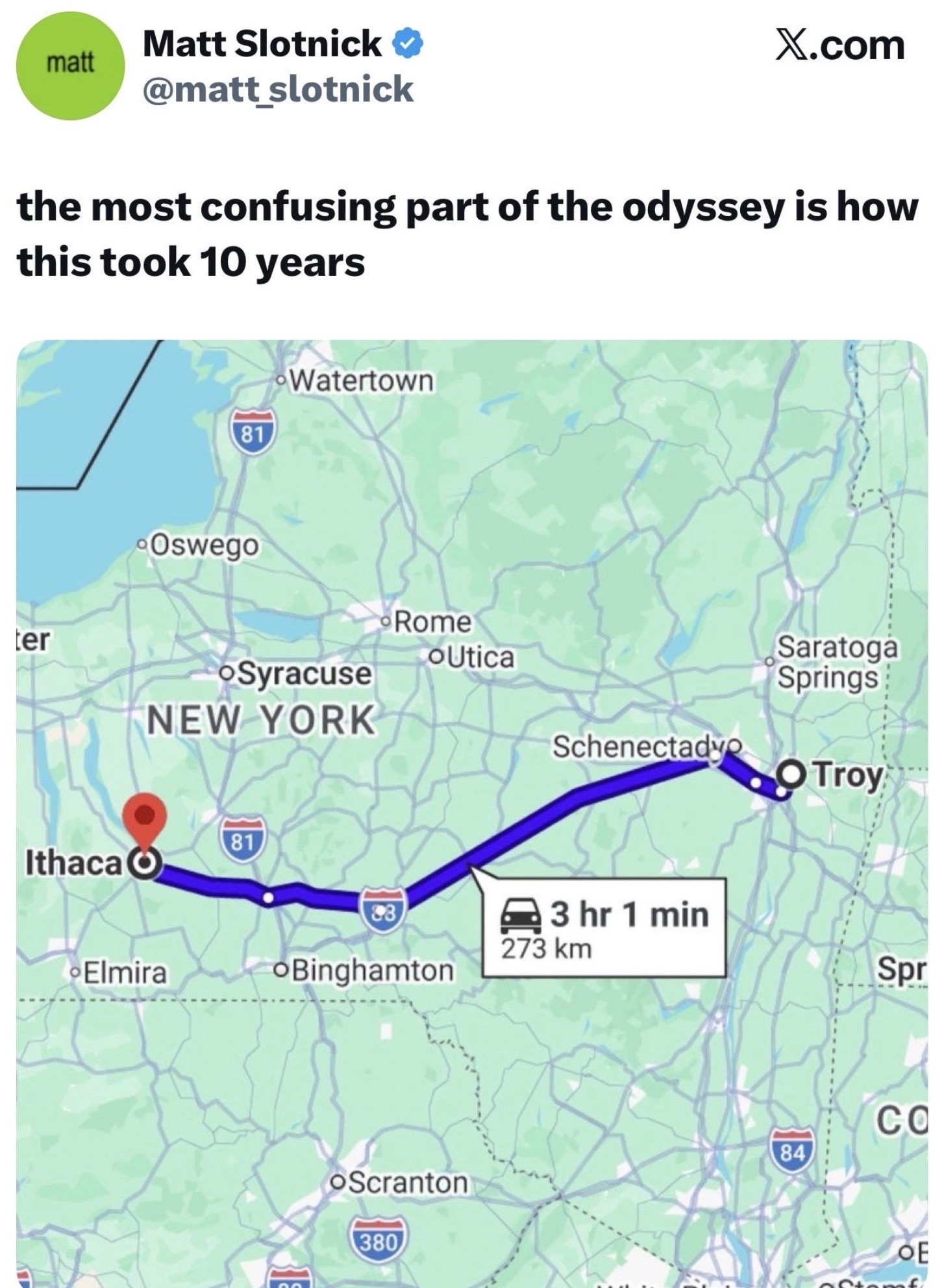
The Odyssey
… The Odyssey – the story of a warrior’s homecoming, his long and tortuous journey to reintegrate himself within his own household – has passed into the bloodstream of many storytelling traditions. In his introduction to his recent translation, classicist and essayist Daniel Mendelsohn lists Dante’s Inferno, Star Trek, Alice’s Adventures in Wonderland, The Wizard of Oz, Finding Nemo, The Catcher in the Rye, Gladiator, Pride and Prejudice, and Game of Thrones as works in which The Odyssey’s ideas and motifs resurface.
More obviously still, there’s James Joyce’s Ulysses, which maps the events of an epic day in Dublin on to specific episodes from The Odyssey; Omeros, Derek Walcott’s long poem about colonialism and the slave trade; and a whole host of contemporary novels from Madeline Miller’s Circe to Margaret Atwood’s The Penelopiad. You could add to Mendelsohn’s list a multitude of other works: The Lord of the Rings, Homeland, The Return of Martin Guerre, and earlier cinematic adaptations of Homer, such as the 2000 Coen brothers film O Brother, Where Art Thou?
— Charlotte Higgins, Why the Odyssey is everywhere, The Guardian, 12 July 2026
Helen of Troy was the daughter of Zeus and was born from an egg.
But sure, she can’t be black.
— jeffrauseo
***
***
Achilles in Hades
“Speak not to me, Odysseus, words of comfort concerning death. Far rather would I drudge for hire under some poor man’s roof that has scarce bread for his household, if only I might be alive upon the earth, than reign over all the nations of the dead…”
History
“Who does not know history’s first law to be that an author must not dare to tell anything but the truth? And it’s second that he must make bold to tell the whole truth?”
— Marcus Tullius Cicero, De Oratore
Light and Dark
The sunlight was full and strong. As I walked home, l suddenly saw my own shadow going ahead of me, just as I had seen the shadow of the last war behind this one. That shadow had never left me all this time, it lay over my mind day and night. Perhaps its dark outline also lies over the pages of this book. But in the last resort, every shadow is also the child of light, and only those who have known the light and dark, have seen war and peace, rise and fall, have truly lived their lives!
— Stefan Zweig
馬克思理論立的牌坊
現行中國憲法總綱第一句話寫道:中華人民共和國是工人階級領導的、以工農聯盟為基礎的人民民主專政的社會主義國家。
我從小就不明白,為什麼憲法要說中國是工人階級領導的,我沒見過哪個流著臭汗的工人成了國家領導人……
曾有一個工人出身的向忠發當過黨的總書記,但那是為了配合馬克思理論塞上去當擺設。後來他因跟妓女過夜被捕叛變,妓女還沒招,他先招了。氣得周恩來大罵「向忠發還不如妓女有骨氣」。所以之後中共領導人,沒有一個是工人出身,你看:
毛澤東出身富農,本人是小知識分子,周恩來出身官宦家庭,本人是留學生,鄧小平父親是地主袍哥,本人是留法學生。連中共創始人陳獨秀也是舉人世家,本人是北大文科學長,李大釗家裡有田有地,自己留學日本……江澤民出身書香門第,本人畢業於上海交大,胡錦濤家裡是茶商,本人是清華畢業,習近平則是紅二代。沒有一個工人。工人,只不過是順應馬克思理論立的牌坊。
— 李承鹏(大眼哥)@dayangelcp
***
New China Newspeak
***
Inbound
FACT: If you fly from Fukuoka, Japan to Palm Beach, FL your ticket reads FUK-DJT!
— https://substack.com/@krassenstein/note/c-294076121
The Journey
Death closes all: but something ere the end,
Some work of noble note, may yet be done,
Not unbecoming men that strove with Gods.
The lights begin to twinkle from the rocks:
The long day wanes: the slow moon climbs: the deep
Moans round with many voices. Come, my friends,
‘T is not too late to seek a newer world.
Push off, and sitting well in order smite
The sounding furrows; for my purpose holds
To sail beyond the sunset, and the baths
Of all the western stars, until I die.
It may be that the gulfs will wash us down:
It may be we shall touch the Happy Isles,
And see the great Achilles, whom we knew.
Tho’ much is taken, much abides; and tho’
We are not now that strength which in old days
Moved earth and heaven, that which we are, we are;
One equal temper of heroic hearts,
Made weak by time and fate, but strong in will
To strive, to seek, to find, and not to yield.
— Alfred Lord Tennyson, Ulysses
Method Dressing
If the male stars of the film (Matt Damon, Holland, Robert Pattinson) stuck to a series of black tuxes and brown suits, the women of “The Odyssey” have seemed to fully delight in this press run, taking an exquisite kind of pleasure in what feels more like a victory parade than a publicity obligation. They may simply be relieved to be in a film that is a pre-baked blockbuster; “The Odyssey” is set to make more than a hundred million dollars in its opening weekend. Perhaps they are aware that as Hollywood studios become more imperilled by the day, it’s indie films like “Obsession” and “Backrooms” that are raking in much of the profit and attention, with no major red carpets in sight. Or maybe they realize that they might be the last generation of mega-stars who can sell a feature by pure force of glamour. Whatever the reason, they seem to be luxuriating in this privilege like the gods, while the rest of us sweat, down here on earth, in a fire-smoke haze, trying not to eat parasite-laced lettuce. But even these screen deities, so far removed from the rest of us, are ultimately tied to mere mortal concerns: no matter how sparkly and sublime the clothes, they are there to sell you something, be it a fantasy or a film ticket.
— Rachel Syme, The Divine Red-Carpet Looks of the “Odyssey” Press Tour, The New Yorker, 20 July 2026
***
***
The Return
“there is something very Australian about the expedition of Odysseus and his men across the Aegean, barbecuing on the beach, drinking unnecessarily, behaving badly, and basically comporting themselves like Australians on the beaches of the Dardanelles.”
— from The Rest Is History: The Odyssey: Return of the King (Part 2), 16 July 2026
Karmic Cascade
a drunk driver
drove an uber
into a you-tuber
he was charged with driving
under the influence
over the influencer
— SLA (Daniel Piper, Serious Literary Author), 22 July 2026
after you kissed me
i told you i was the luckiest man alive
but then i read about a man who was crushed in a truck accident and was clinically dead for fourteen minutes then spent twelve days in a coma then eventually woke up without any brain damage then bought himself a scratch card and won a new car then was asked by a local news channel to re-enact the win by scratching another card and this time he won $250,000
so i took it back
— SLA
a group photograph was taken
then passed round for all to see
but like everyone else at the table
i only looked at me
— SLA
Today I read an article about Main Character Syndrome. Apparently this is where a person believes themself to be the main character of their own life, with everybody else in supporting roles. Thankfully, I do not suffer from this condition. If anything, I see myself as a supporting character in my own life. This is not because supporting characters tend to be the wisest, most interesting and most charismatic in any story, but because I am simply not a self-centred person.
— SLA
***
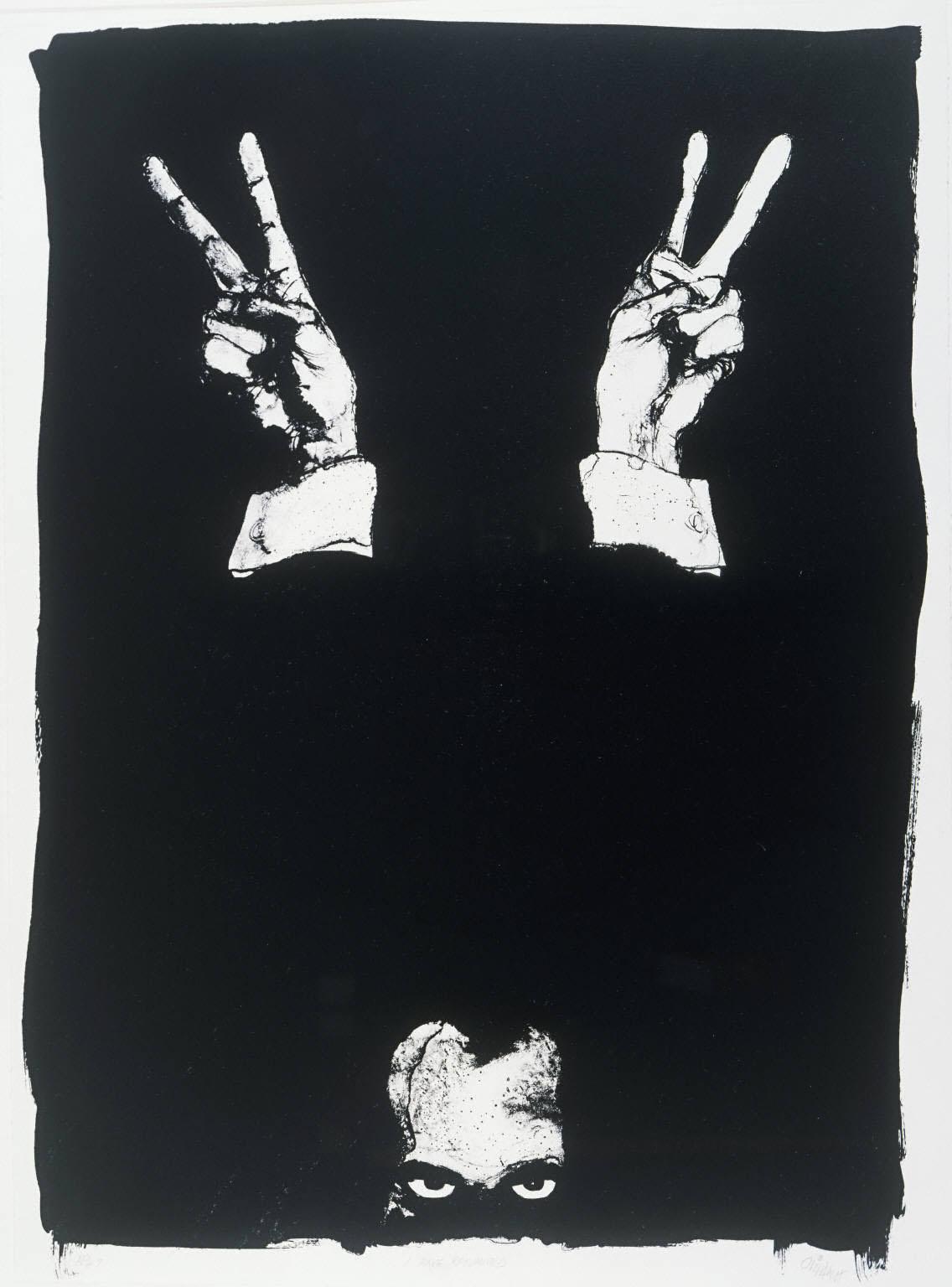
— Pat Oliphant, Cartoonist Who Skewered the Powerful, Dies at 90, The New York Times, 13 July 2026
***
The Scholar
孟子謂萬章曰、一鄉之善士、斯友一鄉之善士、一國之善士、斯友一國之善士、天下之善士、斯友天下之善士。以友天下之善士、未足、又尚論古之人、頌其詩、讀其書、不知其人可乎、是以論其世也、是尚友也。
Mencius said to Wan Chang [Wan Zhang], ‘The scholar whose virtue is most distinguished in a village shall make friends of all the virtuous scholars in the village. The scholar whose virtue is most distinguished throughout a State shall make friends of all the virtuous scholars of that State. The scholar whose virtue is most distinguished throughout the kingdom shall make friends of all the virtuous scholars of the kingdom. When a scholar feels that his friendship with all the virtuous scholars of the kingdom is not sufficient to satisfy him, he proceeds to ascend to consider the men of antiquity. He repeats their poems, and reads their books, and as he does not know what they were as men, he considers their history. This is to ascend and make friends of the men of antiquity.’
— Mencius 10.17, translated by James Legge and recommended by Richard Rigby, 13 July 2026
方且與世違而心不屑與之俱,是陸沈者也。
— 周莊
“To be left alone is the most precious thing one can ask of the modern world.”
— Anthony Burgess
《寒菊》
花開不並百花叢,獨立疏籬趣未窮。
寧可枝頭抱香死,何曾吹落北風中。
— (宋) 鄭思肖